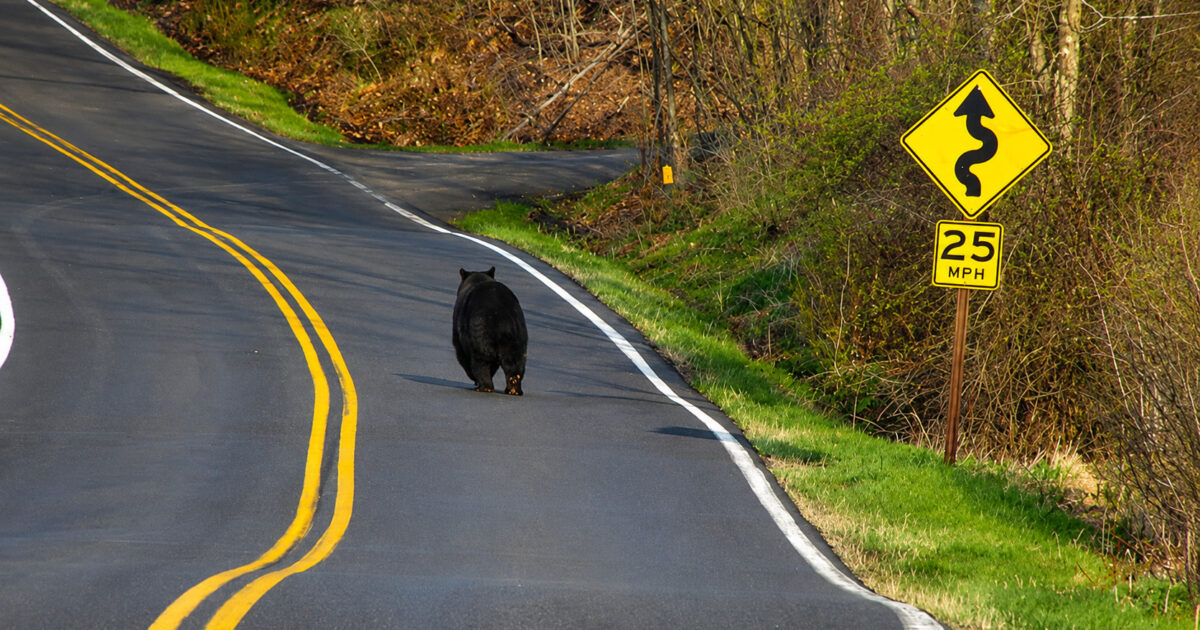
If it seems like bears have been making the news more often lately, you’re not imagining it. Early summer is typically when bear sightings increase, with animals turning up in backyards, neighborhoods, and other places where they’re not usually seen.
Wildlife experts say most bears spotted in unusual locations during this time of year fall into one of three categories:
Young male bears on their own
Many of the bears wandering into neighborhoods are juvenile males that spent the winter in a den with their mothers before being forced out this spring. Although they may appear full-grown, these bears are only about 18 months old and are learning how to survive on their own.
Young males must establish their own territories where they can find food, shelter, and eventually a mate. Female cubs, however, often settle near their mothers, making wandering bears much more likely to be males.
These young bears are curious, inexperienced, and constantly searching for food. If they quickly learn to avoid people, they’ll continue developing as wild bears. But if they discover easy meals from garbage cans, bird feeders, or other human food sources, they can become dependent on those resources—a pattern that often ends badly for both bears and people.
Adult males searching for mates
Adult male bears also travel extensively during early summer as they search for females during the breeding season.
Female bears generally stay within their home ranges, while males may roam long distances through multiple territories looking for mates. It’s common for female bears to mate with several males, and cubs within the same litter can have different fathers.
Mother bears looking for food
Female bears raising cubs are also more active as they search for enough food to feed themselves and their young.
A mother bear may be caring for anywhere from one to six cubs. Early summer foods such as grasses and emerging plants provide fewer calories than the nuts and berries available later in the year, so mothers often travel farther from their dens in search of food.
Because cubs quickly learn from their mothers, wildlife experts warn that bears that raid garbage, knock down bird feeders, or enter homes through pet doors can pass those behaviors on to the next generation.
How to Avoid Conflicts
Wildlife officials remind residents to never approach or feed bears. Homeowners are encouraged to remove potential food sources, including unsecured garbage, bird feeders, and pet food, especially during this time of year when bears are most active around residential areas.