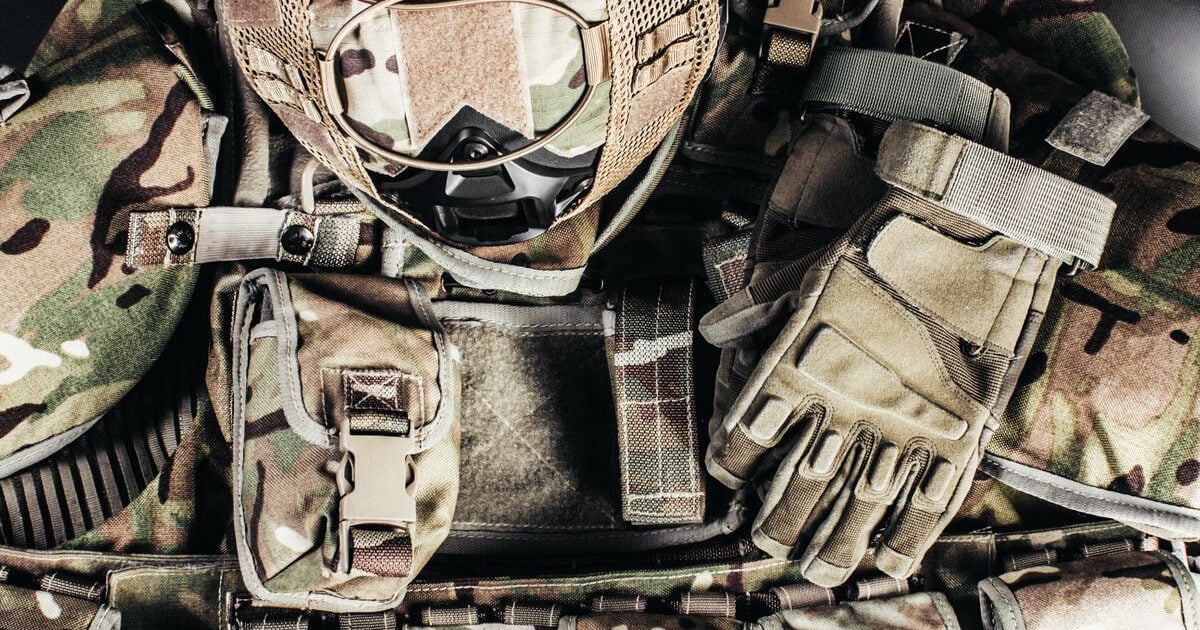
In recognition of Military Consumer Protection Month, the New York State Department of State’s Division of Consumer Protection is urging active-duty service members, veterans, and their families to be on guard against scams.
According to the Federal Trade Commission, reports of scams targeting the military community increased 17% in 2025 compared to the previous year. More than 35,000 fraud reports were filed, with reported losses totaling at least $684 million.
Secretary of State Walter T. Mosley said the rise in scams is a serious concern and encouraged military families to learn the warning signs of common fraud schemes and take advantage of free resources to protect their identities and finances.
New York Adjutant General Major General Ray Shields said service members should be cautious when receiving unsolicited phone calls, emails, or text messages requesting personal or financial information.
State Veterans’ Services Commissioner Dr. Viviana DeCohen also urged veterans and military families to remain vigilant, saying scammers continue to exploit the trust and benefits associated with military service.
State officials say military members are frequently targeted because of their steady income, benefits, and frequent relocations. The most common scams involve imposters, online shopping, fake business opportunities, and employment offers.
To help protect against fraud, the Division of Consumer Protection recommends:
- Placing a free Active-Duty Alert on your credit report before deployment to help prevent identity theft.
- Researching businesses, vehicles, housing, and financing offers before making purchases or signing contracts.
- Being skeptical of deals marketed as “military friendly” or offers that seem too good to be true.
- Avoiding wire transfers or payment apps when paying rental deposits or application fees.
- Verifying the identity of anyone requesting money or personal information, even if they claim to represent the Department of Veterans Affairs or another trusted organization.
Officials also remind service members and veterans never to provide sensitive personal information over the phone or by clicking links in unsolicited emails or text messages. If there is any doubt about a request, they recommend contacting the organization directly using verified contact information before responding.