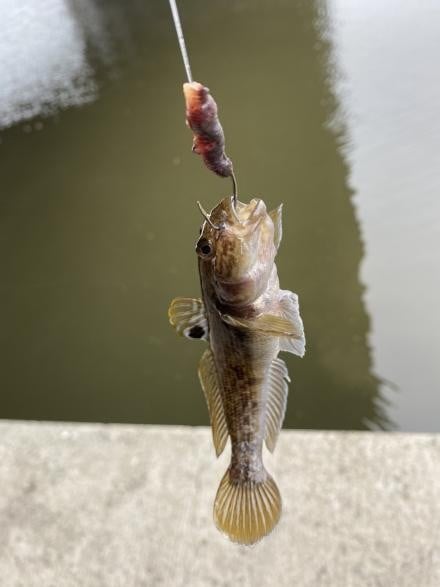
New York State environmental officials have updated their strategy to prevent the spread of the invasive round goby, a fish species that threatens native aquatic ecosystems, into the Lake Champlain Basin.
The New York State Department of Environmental Conservation and the New York State Canal Corporation announced revisions to the state’s Rapid Response Plan, first implemented in 2022 to limit the spread of the invasive fish through the Champlain Canal and connected waterways.
State officials said the changes are based on several years of monitoring data, operational reviews and improvements in environmental DNA, or eDNA, testing, which detects traces of genetic material left behind by aquatic species in the water.
According to the DEC, round goby was first discovered in the Hudson River near Troy in 2021. Although no live fish have been found north of Champlain Canal Lock 1 in Waterford, environmental DNA detected the species north of Lock 2 in Halfmoon in 2024. More recent detections in Canada’s Richelieu River and near the New York border prompted additional preventive measures.
Among the changes, the Canal Corporation will continue using “double draining” procedures at locks along the lower Champlain Canal. The process creates a stronger current intended to prevent the slow-swimming fish from moving through the lock system.
The updated plan also restores on-demand lock operations between Waterford and Stillwater. Since 2024, boat traffic through Locks C-1 through C-4 had been limited to three scheduled lockings per day to reduce the risk of spreading the fish. Officials said the restriction negatively affected recreational boaters and marinas and is no longer necessary as long as round goby is not detected above Lock C-4.
The revised plan also outlines new procedures if the species advances south through Lake Champlain from Canada. If round goby is detected south of Burlington, Vermont, double-draining operations will begin at the northern end of the Champlain Canal to help prevent the fish from moving farther south into connected waterways.
The DEC, Canal Corporation, U.S. Fish and Wildlife Service, U.S. Geological Survey and the Lake Champlain Basin Program will continue monitoring for the species and may reinstate or expand mitigation efforts if conditions change.
Native to Europe and Asia, the round goby was introduced into the Great Lakes in 1990 and has since spread throughout the region. The fish reproduces rapidly, competes with native species for food and habitat, consumes the eggs and young of other fish, and can contribute to the spread of botulism through the aquatic food chain.
State officials are also encouraging boaters and anglers to help prevent the spread of aquatic invasive species by following the “Clean, Drain, Dry” practice for boats and equipment and complying with New York’s live bait regulations.