


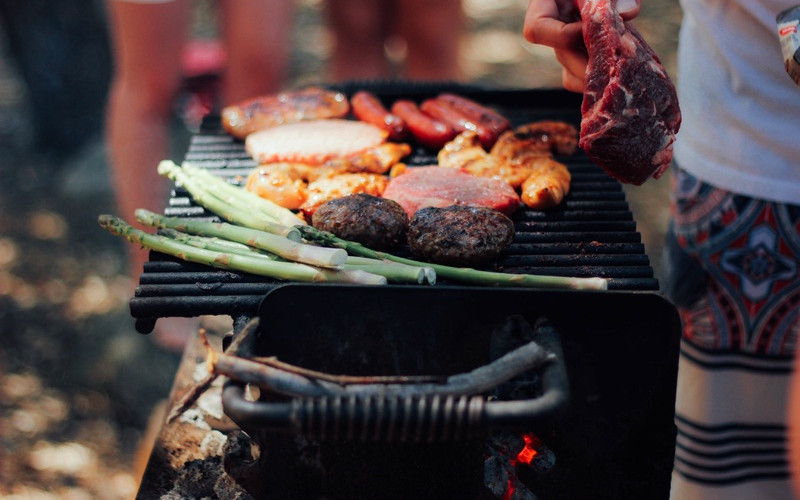
The New York Department of State’s Division of Consumer Protection is providing safety tips to follow when using gas or charcoal grills. This Memorial Day will mark the beginning of summer for many New Yorkers, and with it, the start of the grilling season. Following proper safety procedures when grilling can help reduce injury and save lives.
According to statistics from fire departments around the United States, there are about 10,600 home grill fires reported annually, including around 4,900 fires per year in or on structures. Approximately 100 deaths due to grill fire injuries are reported annually, and about $135 million in direct property damage is reported per year. The U.S. Federal Emergency Management Agency’s U.S. Fire Administration statistics also reflect that almost half of home grill fires happen between 5 p.m. and 8 p.m., and the majority of home grill fires happen between May and August, the summer months when grills are used more often. Additionally, 79% of all grill fires are from gas grills.
Gas and charcoal grills also present a risk of carbon monoxide (CO) poisoning that could result in injury or death. Of the thousands of grill-related injuries reported in hospital emergency departments each year, many are related to carbon monoxide poisoning.
“Memorial Day is just around the corner, marking the beginning of summer when New Yorkers all across the State begin to gather, grill, and enjoy the warmer weather with their friends and families,” said Secretary of State Robert J. Rodriguez. “But cookout fun can quickly turn dangerous if you don’t follow the proper safety procedures when grilling. Simple steps such as frequent cleaning of the grill and keeping a fire extinguisher nearby can help ensure your gatherings remain safe and memorable all summer long.”
“The beginning of summer is a time when family and friends gather to enjoy beautiful weather and delicious foods on the grill,” Acting State Health Commissioner Dr. James McDonald said. “Taking simple precautions such as cleaning the grill and keeping a fire extinguisher in close proximity will keep everyone safe which in turn will make the summer relaxing, memorable, and fun.”
Pay close attention once the grill is lit.
- Never leave a grill unattended. If a flare-up occurs, turn off the gas or spread out the coals to lower the temperature.
- Watch for grease fires. If a grease fire occurs, turn off the gas and use baking soda and/or a fire extinguisher to put out the fire.
- Keep children away from the grill area. The outside surface of a grill can get hot and cause severe burns.
Store your grill and fuel tanks safely.
- Leave charcoal grills outside. Since charcoal produces CO fumes until the charcoal is completely extinguished, do not store a grill indoors with freshly used coals.
- Use caution when storing liquid propane (LP) gas containers. Always keep containers upright. Never store a spare gas container under or near the grill. Never store a full container indoors.
- Transport LP gas containers carefully. Consumers should transport the container in a secure, upright position and never keep a filled container in a hot car or trunk. Heat may increase the gas pressure, causing the relief valve to open and allowing gas to escape.
Keep food safety in mind.
- Marinate foods in the refrigerator — never on the kitchen counter or outdoors. If you plan to use some of the marinade as a sauce on the cooked food, reserve a portion separately before adding raw meat, poultry or seafood. Don’t reuse marinade.
- Meat must be cooked to the proper temperature. Germs, such as E. coli and salmonella, can be present in undercooked meats, such as hamburgers and chicken. Always check the temperature with a meat thermometer.
- Don’t reuse platters or utensils. Using the same platter or utensils that previously held raw meat, poultry or seafood allows bacteria from the raw food to spread to the cooked food. Instead, have a clean platter and utensils ready at grill-side to serve your food.
- Keep cold food cold and hot food hot. Keep meat, poultry, seafood, salads and other cold foods refrigerated until they’re about to be cooked or served. If grilled food is finished cooking but won’t be served right away, keep it hot until served. To prevent bacteria growth, cold food should be kept at 40 °F or below, and hot food should be kept at 140 °F or higher.
- Refrigerate any leftovers immediately! Never leave food at room temperature for more than two hours, or only one hour if the temperature is above 90 °F.