

With the holiday season in full swing, the New York State Department of Health and the New York State Department of Agriculture and Markets reminds everyone to keep safety in mind when cooking holiday meals.
“Gathering around the table to share a homecooked meal is a special part of celebrating the holidays together,” State Health Commissioner Dr. James McDonald said. “By practicing safe food handling and preparation, everyone can enjoy the feast and festivities while keeping foodborne illness at bay. Happy holidays everyone.”
Department of Agriculture Commissioner Richard Ball said, “There’s no better way to spend the holidays than with family, friends, and loved ones, so keeping our food safe during this special time is important not just for you but for everyone around you. Food safety is everyone’s business, so I encourage you to take the proper steps to keep yourself and others safe while you celebrate. Happy Holidays everyone!”
Proper food preparation and storage can help prevent foodborne illnesses from ruining the holiday feast.
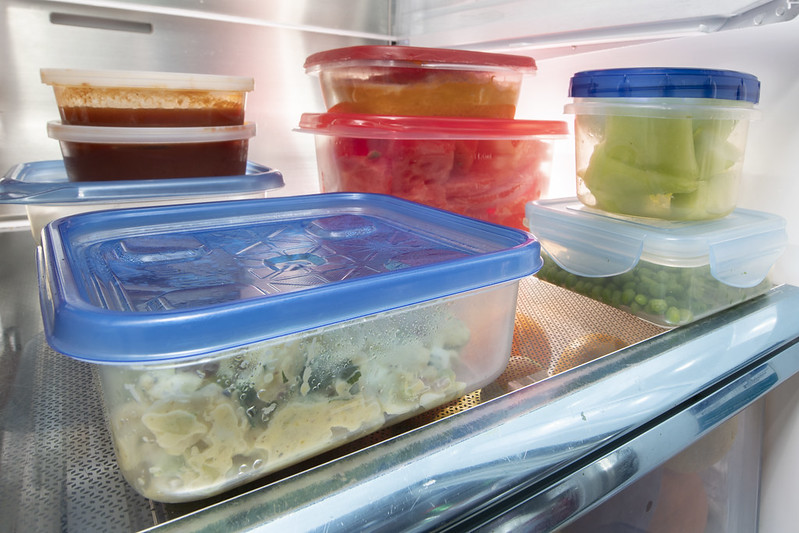
Cold Storage: Keep perishable food cold.
- Refrigerate perishable food immediately after returning from the store.
- Make sure refrigerator temperatures register at 40° F or lower. The freezer should register 0° F or lower.
- Store canned goods in a cool, dry place, and never store them above the stove, under the sink, or in a garage or damp basement.
Thawing: Never thaw frozen meats in hot water or by leaving them on the counter.
- Bacteria grow quickly at room temperature. Always thaw food in a refrigerator the night before or in the microwave just before cooking.
- Foods must be thawed at a safe temperature to prevent harmful germs from growing rapidly.
- Bacteria live in the “danger zone” of 40° F to 140° F. It’s best to refrigerate leftovers within two hours of serving to prevent bacteria growth.
Food Preparation: Keep work areas clean and cook food thoroughly.
- Always wash hands, utensils, and cutting boards in hot, soapy water before preparing food and after handling raw meat.
- Cook meat thoroughly: Pork to 150°F, ground beef to 160°F, poultry and leftovers to 165°F, and all other meats to 140° F.
- Cook eggs thoroughly to 145°F. Do not eat raw eggs, or cake batter and salad dressings that contain raw eggs.
- Keep meat, chicken, turkey, seafood, and eggs separate from all other foods during preparation and while in storage.
It’s a good idea to have a good meat thermometer on hand to ensure the food has reached a proper temperature. Cross-contamination can be avoided by constantly cleaning surfaces and utensils and always keeping raw meat away from ready-to-eat foods.
For additional food safety tips, contact the Department of Agriculture and Markets Food Safety Division at agriculture.ny.gov/food-safety to request to speak to a food safety expert, or read the New York State Department of Health’s guidelines.