

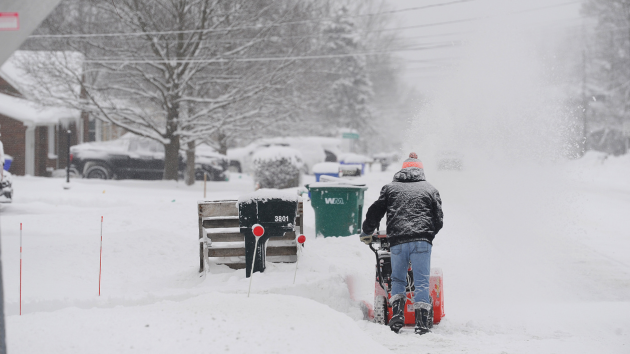
Prolonged bitter cold has led to a surge in home insurance claims for frozen and burst pipes across the region, AAA Western and Central New York says.
The organization says extreme temperatures, poor insulation and improper thermostat settings are among the most common factors behind winter pipe failures, which can cause significant flooding and structural damage inside homes.
“Freezing temperatures put your pipes at risk, and recovery can be difficult and costly,” said Dave Kirst, an insurance manager with AAA. “Copper, iron and plastic pipes can all burst, and even a small crack can release hundreds of gallons of water in a single day.”
Insurance officials warn that a crack as small as one-eighth of an inch can allow up to 250 gallons of water per day to pour into a home, increasing the risk of mold and long-term damage.
To reduce the risk of frozen pipes, homeowners are urged to insulate pipes in crawl spaces and attics, seal gaps that allow cold air to enter, and disconnect outdoor hoses. Keeping thermostats set to a consistent temperature during the day and night and opening cabinet doors beneath sinks can also help warm air reach exposed pipes.
Letting warm water drip slightly overnight from faucets on outside walls may help prevent freezing when temperatures are expected to plunge. Residents are also encouraged to make sure everyone in the household knows how to shut off the home’s main water supply.
If pipes do freeze, experts advise checking faucets for water flow and thawing pipes carefully with a hair dryer, starting near the faucet and moving toward the coldest section. Open flames and torches should never be used due to the risk of fire.
If a pipe bursts, homeowners should shut off the water immediately, leave faucets open and contact a plumber.
Insurance officials say taking preventive steps now can help homeowners avoid costly repairs as the cold snap continues.