


Hunger Solutions New York is calling on state lawmakers to strengthen funding for food assistance programs, warning that recent federal cuts threaten access to nutrition benefits for hundreds of thousands of New Yorkers.
The advocacy group praised several food security investments included in Gov. Kathy Hochul’s State of the State address and Executive Budget, including funding for EBT chip cards, expanded resources for emergency food providers, continued support for universal school meals, and efforts to increase access to summer nutrition programs.
But the organization said those proposals do not go far enough to address what it described as an unprecedented food security crisis.
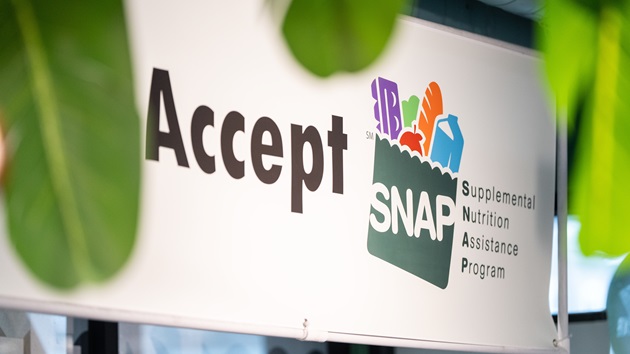
The call for action follows passage of H.R.1, a federal budget reconciliation bill approved in July that includes the largest cut to the Supplemental Nutrition Assistance Program in the program’s history. The bill expands work reporting requirements to older adults and families with children 14 and older, restricts eligibility for refugees and asylees, reduces benefit levels over time, and adds new administrative hurdles for applicants and social service agencies.
Hunger Solutions New York said the changes could jeopardize SNAP access for hundreds of thousands of New Yorkers as families continue to face rising costs for food, housing, and health care.
The group is urging lawmakers to increase funding for the state’s Nutrition Outreach and Education Program, known as NOEP, which supports more than 80 SNAP navigators statewide. The navigators provide free, confidential, one-on-one assistance to help residents understand SNAP rules and apply for benefits.
The group is calling for $8.5 million in total funding to sustain statewide access to SNAP navigators.
Hunger Solutions New York is also seeking increased funding for the Special Supplemental Nutrition Program for Women, Infants, and Children, known as WIC. Participation in WIC has grown by nearly 25% statewide over the past five years, but local agencies have remained nearly flat-funded, the organization said.
An estimated 200,000 New Yorkers are eligible for WIC but not enrolled, according to Hunger Solutions New York. The state recently ended a WIC outreach initiative that had been increasing enrollment, citing capacity concerns at local agencies.
The organization is urging lawmakers to include $30 million in supplemental funding for WIC in the fiscal year 2027 budget. The funding would support local agency capacity, program modernization, and outreach to eligible families not currently enrolled.
Hunger Solutions New York said it and its partners are prepared to work with lawmakers to reduce the impact of federal cuts and strengthen proven food assistance programs.
“With modest state investments, we can ensure all of our neighbors have access to the food they need,” the organization said.